What does it really mean to feel at home?
It’s more than having a roof over your head or recognising your postcode. Feeling at home comes through everyday moments, chatting with neighbours, recognising familiar places, sharing laughter, and feeling part of the life around you.
For people forced to leave their homes because of war, persecution, exploitation or trauma, rebuilding a sense of belonging can be one of the hardest parts of starting again.
As we mark Mental Health Awareness Week (11–17 May), it is important to recognise how closely belonging and wellbeing are connected. Feeling safe, connected and able to participate in everyday life is fundamental to mental health.
At The Welcoming Association, we see every day how experiences of displacement and isolation can affect well-being.
We also see how community, creativity and connection can help people begin to rebuild a sense of stability.
We are pleased to be developing this work further through a new two-year grant from EVOC’s Community Mental Health and Wellbeing Fund, supporting a mental health project for people seeking asylum and those who have recently been granted refugee status.
This is where community plays a vital role
Through our work across Edinburgh, we regularly see how community, creativity and connection help people rebuild confidence and stability.
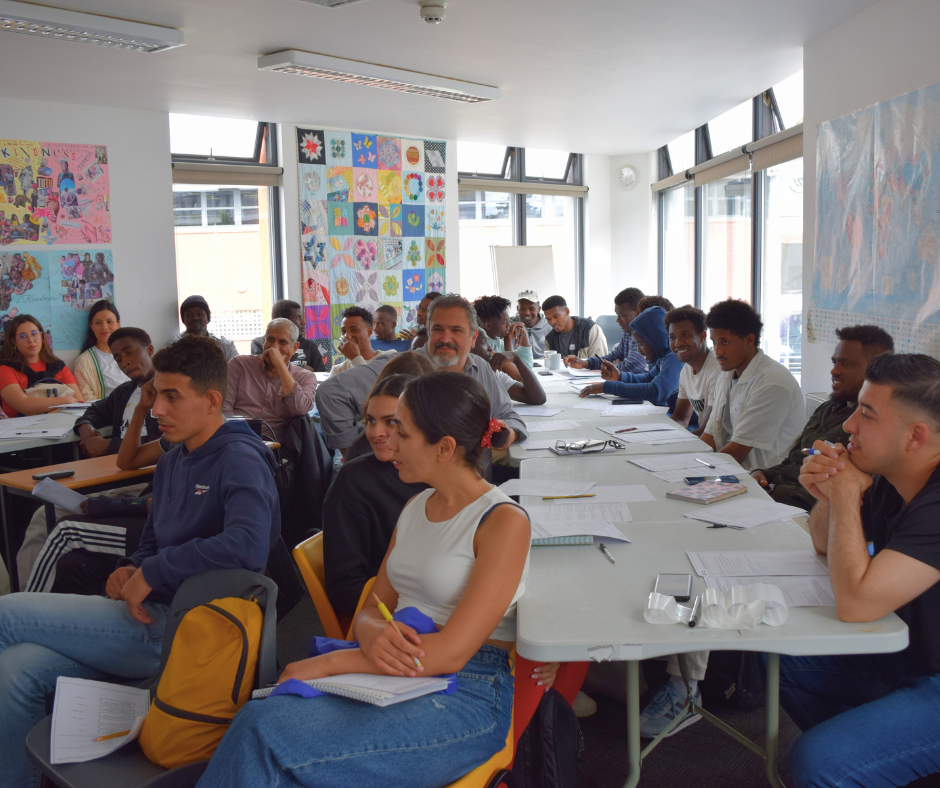
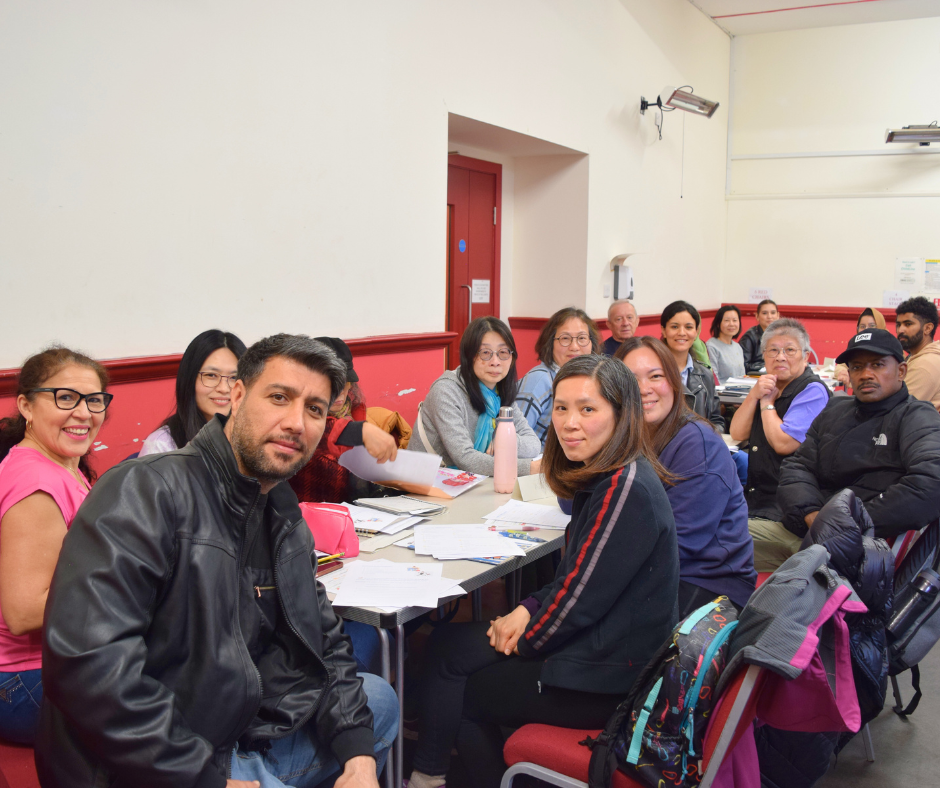
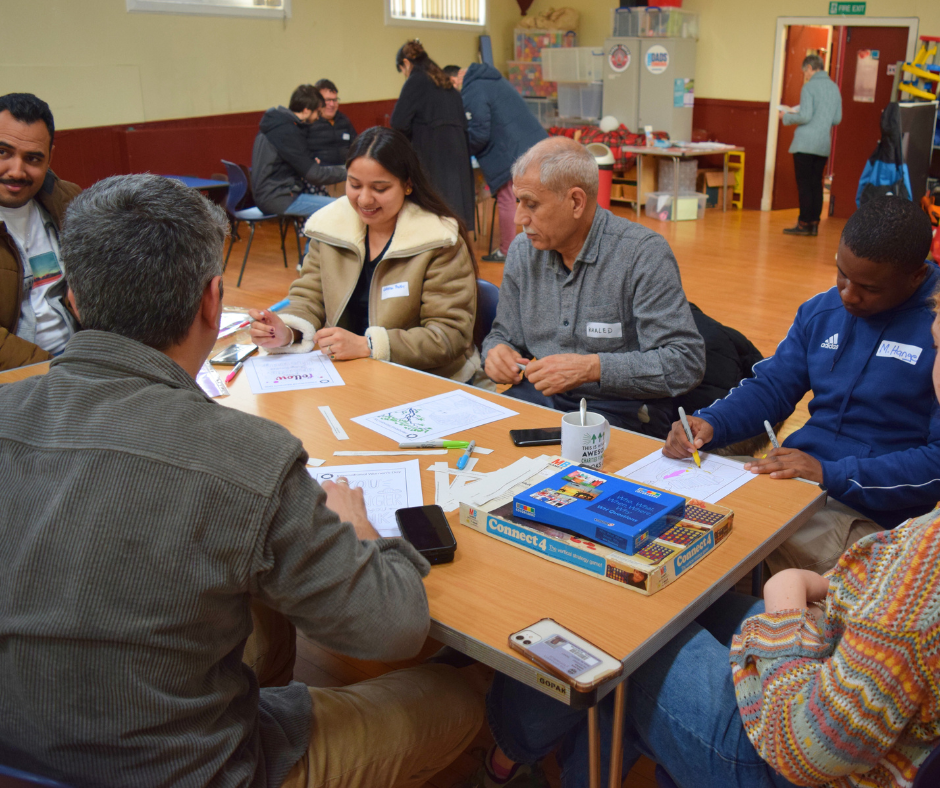
When people are given the opportunity to learn English, develop new skills, access employment support and connect socially, they are better able to participate fully in everyday life. They contribute to neighbourhoods, workplaces and local culture. They bring new perspectives, resilience and experience.
“I feel that this English class is very useful to me. I really want to continue the English class. The English teachers are very dedicated and kind, So I am very excited to learn.”
ESOL participant
Community cohesion works both ways
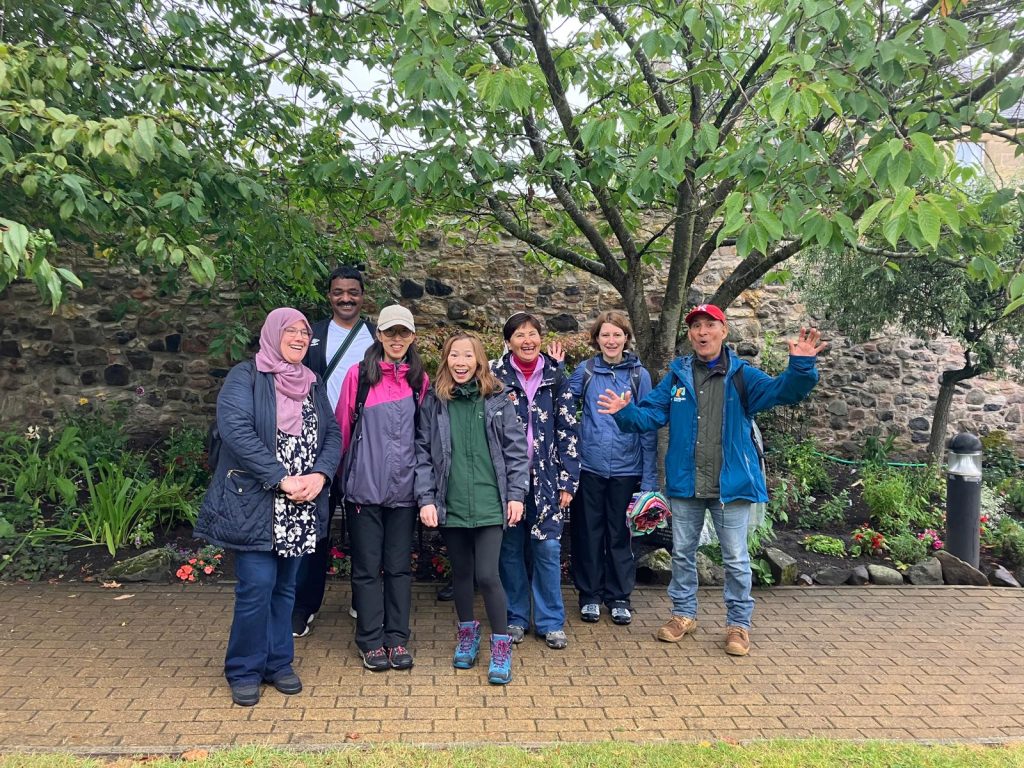
Through friendship activities and cultural partnerships, people explore the city together, share stories and discover common ground. Walking through Edinburgh’s streets, joining local groups and learning about shared history helps unfamiliar places become familiar.
“The cultural outings can broaden my horizons and expand my vision. They also enhance my appreciation of this city’s culture, values and its diversity.”
Friendship activities participant
These moments reduce isolation and build confidence. They also challenge assumptions. They show that welcoming newcomers does not weaken communities or erase local identity. Instead, it creates richer, more connected neighbourhoods where people feel comfortable with difference and confident in shared belonging.
Programmes that support digital confidence, language learning and employability are not just training sessions. They are pathways into participation. They help people understand how systems work, communicate effectively and navigate daily life with independence.
Access to employment support is another important step in rebuilding independence. Courses designed for parents and jobseekers provide practical tools, peer encouragement and safe spaces to build confidence while preparing for the workplace.
Alongside this, one-to-one advice services, befriending projects and practical support such as food access and energy advice provide stability during periods of uncertainty. Reducing everyday stress allows people to focus on building connections and planning for the future.
A complex issue
Displacement is complex. It’s shaped by global conflict, inequality and forces beyond individual control. Many people who arrive in Scotland have experienced trauma, exploitation and loss.
Arriving somewhere new should not mean facing further isolation or rejection.
Yet inclusion is not only about responding to hardship. It is about recognising shared humanity.
Public conversations about refugees and people seeking asylum can sometimes feel disconnected from the everyday reality of community life.
What does shape communities, however, is whether people feel supported to participate and contribute.
When individuals are welcomed into local life, they volunteer, work, study, start businesses, raise families and share their cultures. They become part of the social fabric.
This is how stronger communities are built – not through division or blame, but through connection and understanding.
What can we do as a community?
Edinburgh has the opportunity to lead by example. By investing in community spaces, inclusive services and opportunities for people to meet and learn from one another, we help create neighbourhoods where everyone can thrive.
As we mark Mental Health Awareness Week, it’s a reminder that feeling safe, connected and part of a community is essential to our wellbeing.
Feeling at home is not a luxury. It’s the foundation for wellbeing, participation and dignity.
And when more people feel safe, connected and able to take part in everyday life, our communities are stronger for it.
If this matters to you, there are many ways to get involved. You can support The Welcoming Association, volunteer your time, join local community projects, or simply take small steps to connect with others in your neighbourhood.